
Master Your Internal Toolkit
The most sophisticated software cannot fix a broken relationship, but the right human attributes can. Explore the essential “soft tools”—from intellectual humility to collective resilience—that allow faith and community groups to build unbreakable bonds and drive real social change.
The most enduring architecture of a community is built not with steel and stone, but with the invisible tools of trust, humility, and the quiet courage to keep showing up for one another.
In 2026, the most powerful “tools” in a leader’s arsenal aren’t found in an app store—they are found within. When faith and community groups join forces, success depends on a specialized set of individual and collective attributes that turn a simple partnership into a transformative movement. In this context, “tools” are the skills and traits that allow us to build bridges across different backgrounds and beliefs.

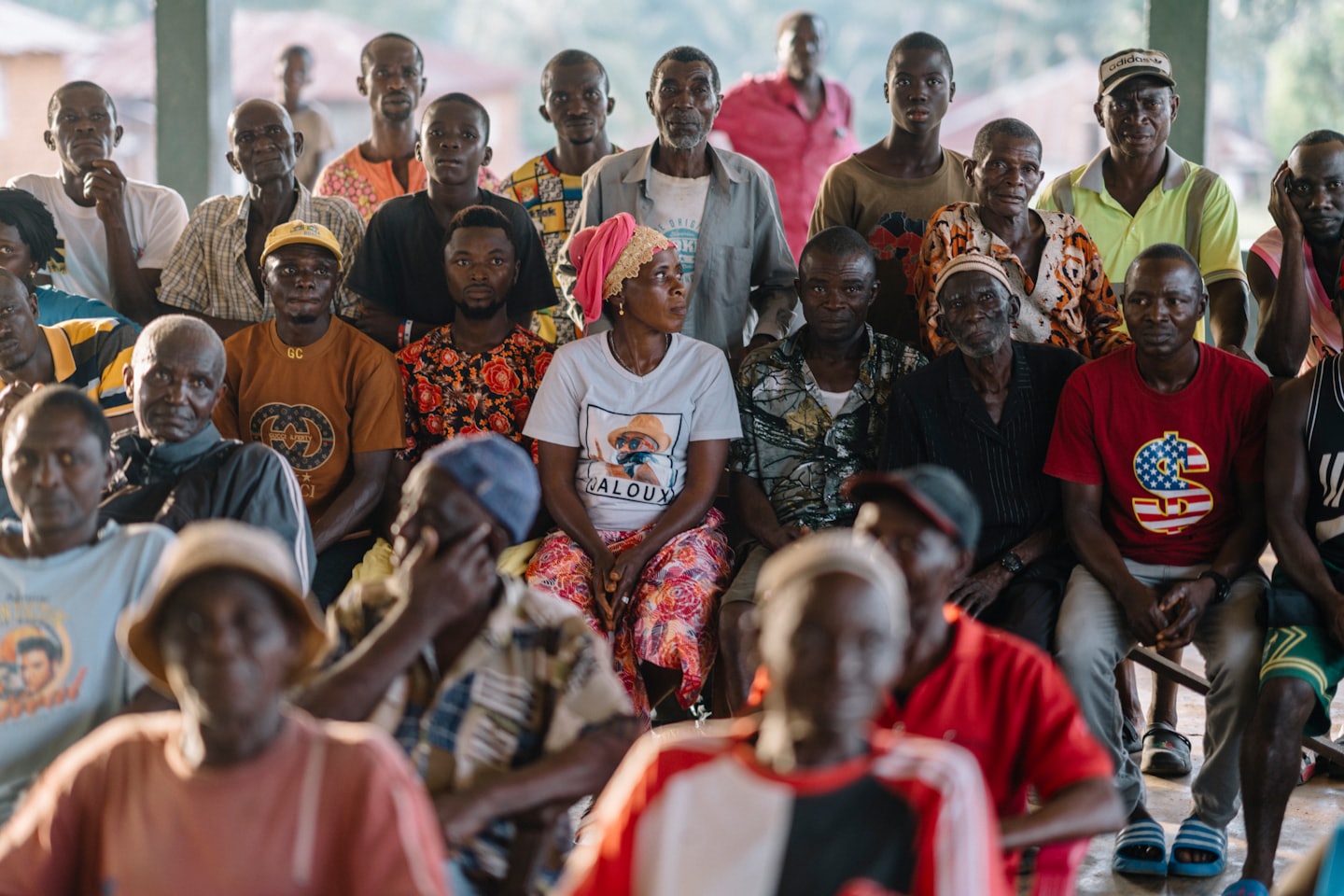
1. The Tool of “Cultural Humility”
Unlike “competence,” which implies a finish line, cultural humility is an ongoing individual attribute. It is the practice of entering a partnership with the realization that your perspective is just one of many.
- In Practice: A community organizer may have the data, but the faith leader has the historical pulse of the neighborhood. Using this tool means valuing lived experience as much as professional expertise.
- The Result: It creates a “level playing field” where every voice—from the clergy to the grassroots activist—is heard.
2. Radical Reliability: The Collective Trait
In the intersection of voluntary and professional work, reliability is the ultimate currency. As a collective attribute, it transforms a group of individuals into a dependable institution.
- The “Say-Do” Ratio: Successful collaborations track their success by how often they follow through on small promises.
- The Result: This builds “social capital,” making the partnership an attractive destination for national funding and local trust.
3. Generous Listening as a Skill
We often treat listening as a passive act, but in 2026, it is a high-level communication tool. Generous listening involves hearing the “intent” behind the “content.”
- Individual Application: It requires the skill of silencing the inner advocate to truly understand a partner’s fears or aspirations.
- The Result: This tool de-escalates conflict before it starts and ensures that solutions are co-created rather than imposed.
4. The Attribute of “Adaptive Resilience”
Community work is rarely a straight line. Adaptive resilience is the collective ability to pivot when a project hits a wall without losing momentum or morale.
Collective Practice: This involves a group culture that views “failure” as “data.” When a joint youth program doesn’t get the expected turnout, resilient groups don’t point fingers; they analyze and adapt.
Leave a Reply